
Healthy Lifestyles: Preventative Medicine Series
If we were asked whether we care about our health, we’d all say yes. If we were asked whether we take care of our health, most of us would still say yes. But if we were asked how we take care of our health, we’d all answer differently.
With health fads coming and going, new supplements being recommended and promising medications hitting the shelves, we get lots of ideas about how to best equip our bodies for health and longevity. Sometimes, there is so much information out there that it feels as if the media wants to confuse us. And in many ways, it does. With every new protein powder or vitamin gummy comes money into the pockets of influencers and large corporations like big pharma. But do those products really reflect the latest research in health science? The scary truth is—we really don’t know.
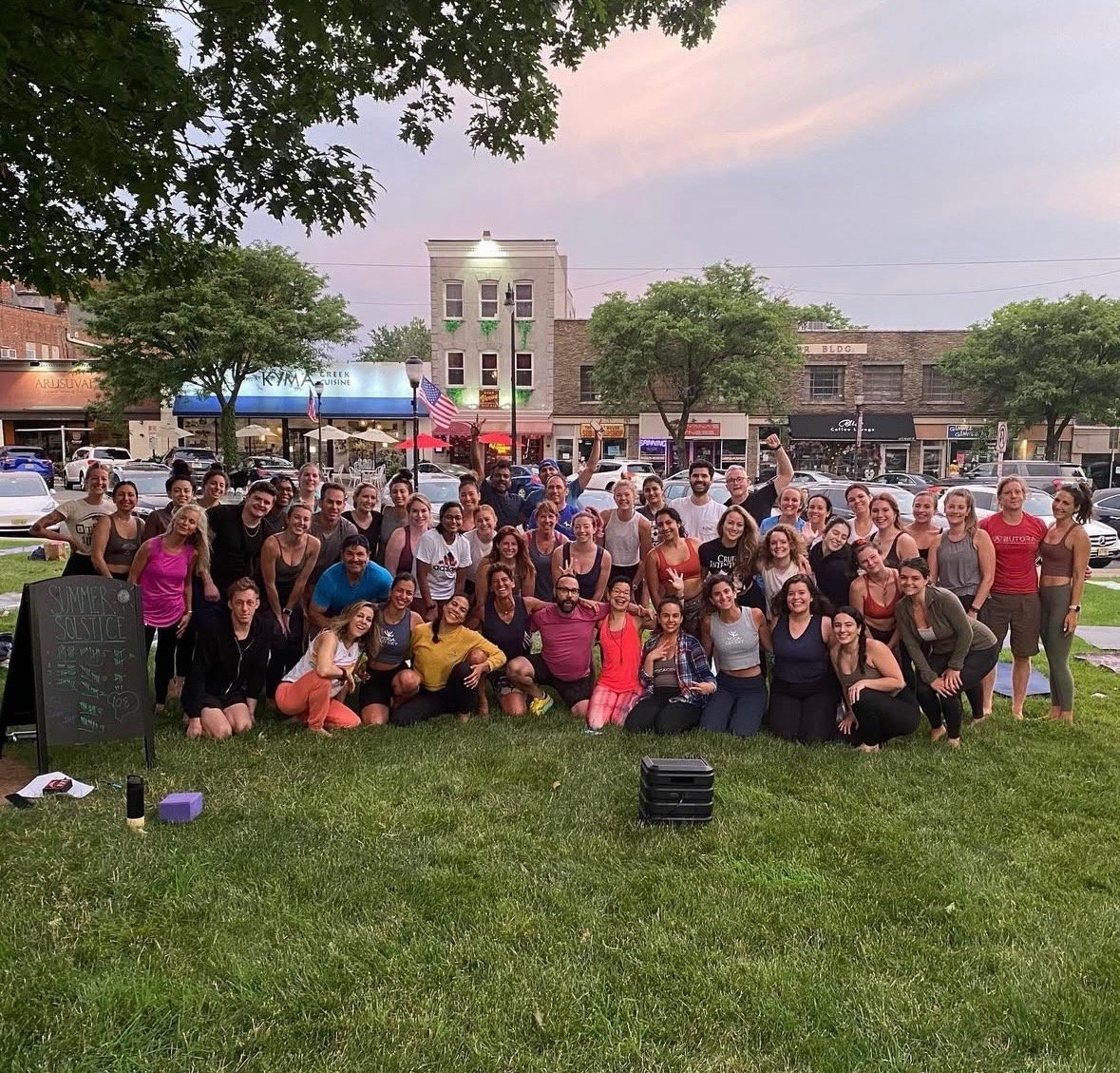
What we do know, though, is that a healthy lifestyle is a direct predictor of sustainable strength, life satisfaction and life expectancy. In fact, a healthy lifestyle has been pinpointed as the best form of preventative medicine. And biology has given us the easiest tools to use in our quest to practice a healthy lifestyle. These keys remove the guesswork surrounding fads and supplements and, instead, bring us back to the basics—sleeping well, eating right, exercising routinely and socializing frequently.
These four lifestyle features have been connected to mental and physical health both in the short term and longitudinally, which is already a high step above anything we may find on the shelves. Critically, they are natural and biological human functions that have been largely disturbed by the modern world. Our bodies are programmed to sleep soundly—if only we allow ourselves to flow with our circadian rhythm instead of fight against it. We are programmed to thrive on three square meals—if only we took the time to prepare them instead of falling back on addictive sugars. Our bodies want to move—if only we set attainable goals in the gym instead of spending the extra hour in the office. And our brains want to make connections with others—if only we went out of our way to have in person interactions instead of hiding behind a screen.
It seems like such a simple formula, and it should be. But the reality is that society is structured in a way that makes it incredibly challenging. Building healthy habits takes time and effort. Over the coming weeks, our Preventative Medicine Series will provide you with some easy-to-understand tips and frameworks for your success. Stay tuned to our newsletters to learn about the true importance of sleep, diet, exercise and social connection and how to use these natural tools to take your health to the next level.