
Healthy Lifestyles: Preventative Medicine Series- Part 1: Sleep
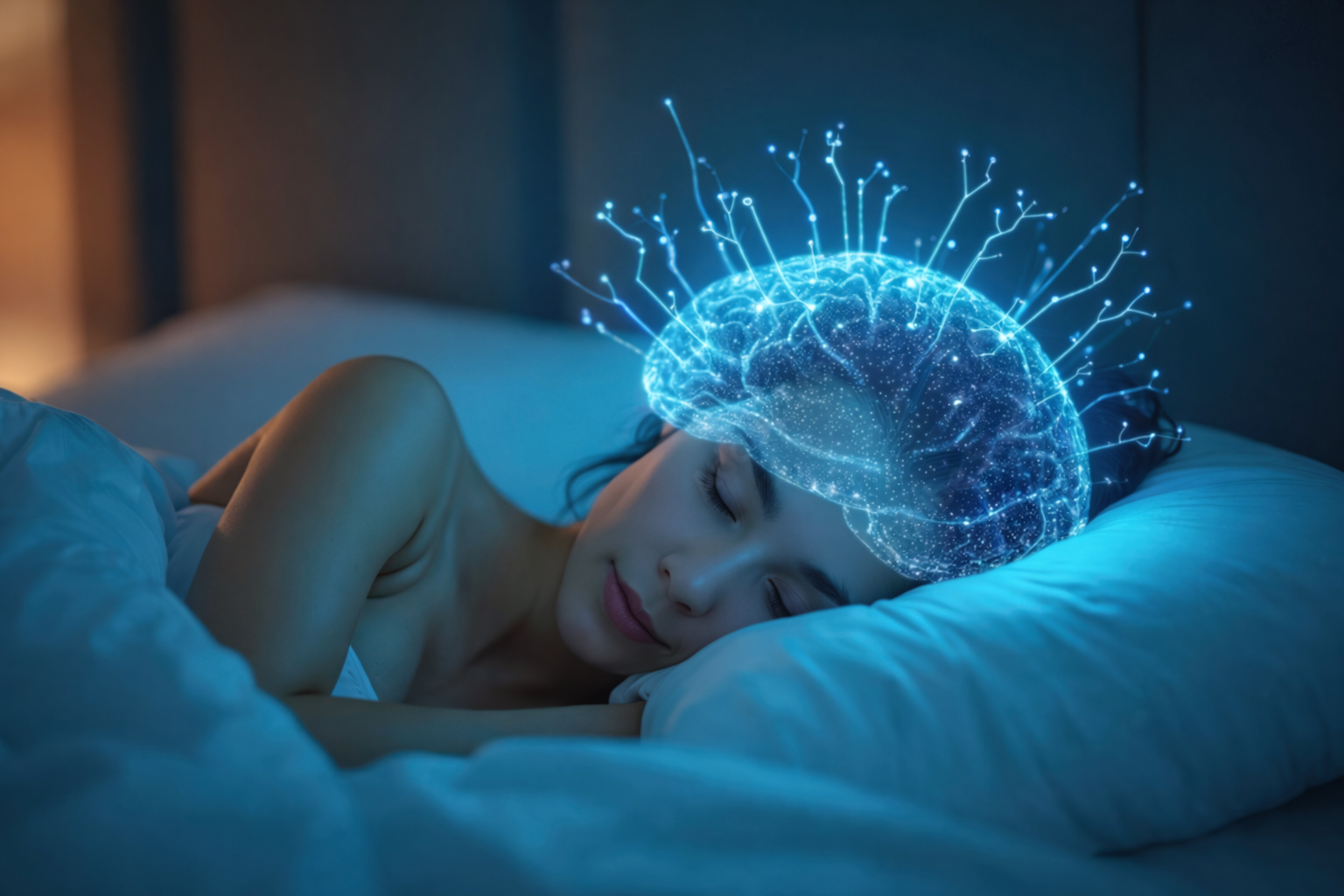
Committing to lifestyle changes can be overwhelming, primarily because everybody has a different set of recommendations andnone of those recommendations help us identify a starting point. Even more importantly, none of those recommendations feel sustainable to us—and that’s because they’re not. The reason for this isn’t because we can’t change our habits or build new routines. Instead, the recommendations that are so often fed to us through the media aren’t sustainable because they’re missing the very first step to adopting a healthy lifestyle. Without the base of a pyramid, the rest falls apart. Our base is our sleeping habits.
When we sleep, our brain can signal that it’s time to recover. One of the ways that it does this is by deactivating its stress center. As a result, cortisol, our stress hormone, stops pumping through our bodies, which tells the rest of our physiological systems that it’s safe to rest. Cortisol is important—it keeps us alert through the day and allows us to respond to stress and keep us out of harm’s way. When our bodies are focused on alertness, though, they can’t be focused on recovery. Ideally, cortisol should peak in the morning and steadily decline throughout the day, hitting its lowest point right around bedtime. When this is the case, our circadian rhythm is steady and we are naturally positioned to recover from the demands of our day. And we’re not just recovering mentally; our muscles are being repaired, our immune system is producing antibodies, our brain is being cleansed of damaging plaques and our blood sugar is being regulated. These are all things that our bodies can’t do if they think that they need to direct their energy at the day’s stress.
This is exactly why sleep is the foundation of health. Without us prioritizing winding down in the evenings, getting to bed at similar times every night and sleeping soundly for 7-9 hours, our bodies perceive stress and focus on combatting that stress. As a result, we become dysregulated. In the context of a healthy lifestyle, this makes it harder to get to the gym because we feel groggy and maybe even a bit weak due to a lack of tissue repair and muscle growth that can only happen during sleep. It also makes it harder to make healthy eating choices because the hormones that control hunger and sugar cravings become unbalanced as unrecovered bodies seek out quick energy. Critically, even if we try to override these important physiological systems with willpower, our brains just can’t keep up. When we’re tired, the connection between our brain’s emotional and control centers grows weaker. Therefore, we can’t avoid poor and impulsive decision making and the healthy lifestyle that we’re striving for becomes impossible to sustain.
With sufficient sleep and recovery, we are much more likely to wake up feeling ready to take on the day. We are mentally sharper and physically more energized. Sleep is the best line of defense against illness and injury, which helps us live longer and happier. It’s the bedrock of health and the vital first step towards creating sustainable habits that promote a better quality of life.